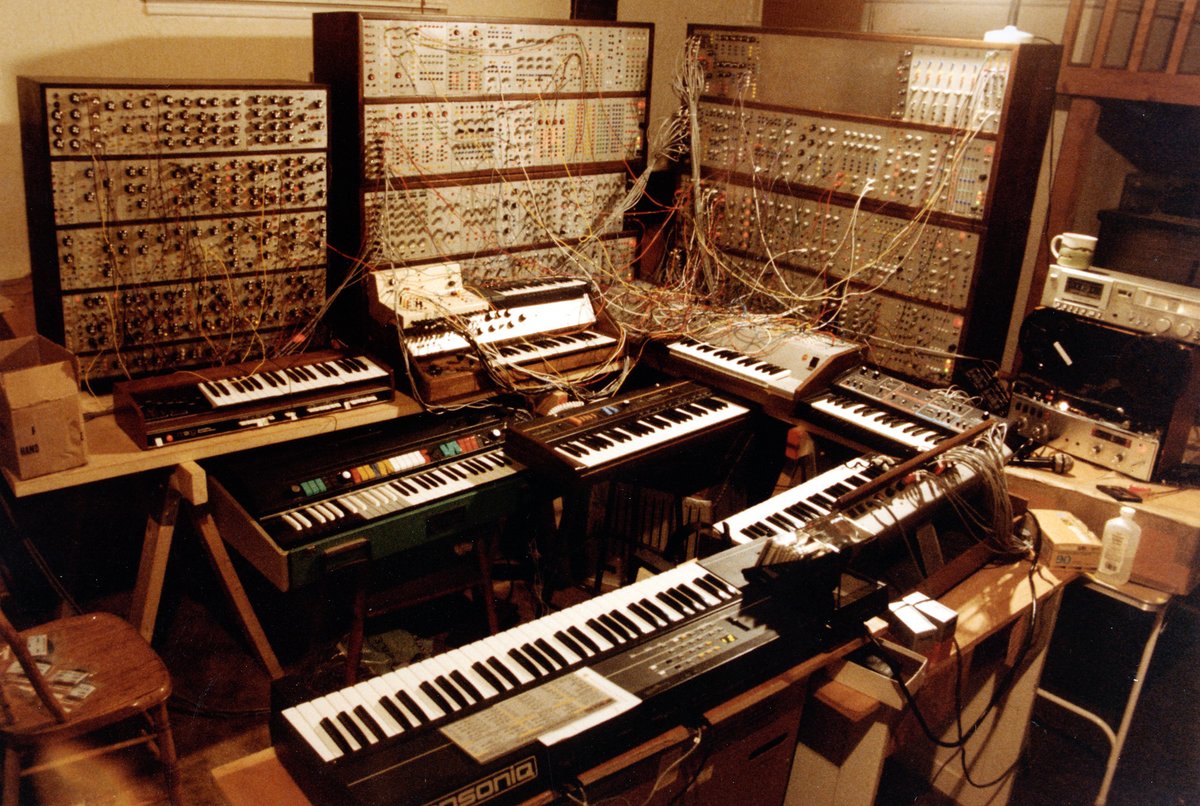
Ever feel limited by preset sounds and want a machine that lets you sculpt your own sonic landscapes? That’s where the power of a synth machine comes in; it’s more than just a keyboard. It’s an instrument that empowers you to create unique sounds from the ground up, opening up a world of creative possibilities.
At a glance:
- Understand the core differences between various synth architectures (analog, digital, hybrid).
- Determine your polyphony needs and how they impact your synth choice.
- Learn to identify key features like modulation matrices, sequencers, and onboard effects.
- Discover how to choose the right keybed size and action for your playing style and studio setup.
- Get practical tips for navigating the synth market within your budget.
Decoding the Synth Machine: More Than Just a Keyboard
The term "synth machine" encompasses a broad range of electronic instruments, each with its own unique characteristics and capabilities. Unlike a traditional keyboard that primarily plays back sampled sounds, a synthesizer generates sound using electronic circuits. This allows for unparalleled control and sonic experimentation. However, to choose the right one, it’s essential to understand how these machines are built.
The Three Pillars: Analog, Digital, and Hybrid Synths
Understanding the core architecture of a synthesizer is crucial. Here's a breakdown:
- Analog Synths: These are the OGs, using voltage-controlled oscillators (VCOs), filters (VCFs), and amplifiers (VCAs) to create sound. They're known for their warm, rich tones and hands-on control. Think Moog Matriarch or Behringer MonoPoly. They often have limited polyphony.
- Digital Synths: These utilize digital signal processing (DSP) to generate sound. They offer greater versatility and complexity, often with extensive modulation options and effects. They can emulate other synth types or create unique digital textures. Examples include the ASM Hydrasynth and Yamaha MODX8 Plus.
- Hybrid Synths: These blend analog and digital technologies to offer the best of both worlds. They commonly feature digital oscillators coupled with analog filters, providing flexible sound design and character. The Arturia Minifreak is a prime example.
Think of it like cooking: an analog synth is like using fresh, simple ingredients to create a hearty stew, while a digital synth is like molecular gastronomy, employing complex techniques to create innovative flavor combinations. Hybrid synths are like fusion cuisine, blending traditional and modern elements.
Polyphony: How Many Notes Can You Squeeze Out?
Polyphony refers to the number of notes a synth can play simultaneously. This is a crucial factor depending on your musical style and intended use:
- Monophonic synths: Play one note at a time, ideal for basslines, leads, and vintage-style sounds (e.g., Novation Bass Station II).
- Duophonic synths: Play two notes simultaneously (e.g., Moog Subsequent 25).
- Polyphonic synths: Play multiple notes simultaneously, essential for chords, pads, and more complex arrangements. Polyphony ranges from a few voices (e.g., Sequential Fourm with 4 voices) to dozens (e.g., Korg Opsix MKII with 64 voices).
As a general rule: the more complex the sound design, especially in analog synths, the more limited the polyphony. Digital synths can generally provide more voices for the same price point.
Beyond the Keys: Modulation, Sequencing, and Effects
A synth machine's capabilities extend far beyond simply playing notes. It’s crucial to consider these additional features:
- Modulation Matrix: This allows you to route various modulation sources (LFOs, envelopes, etc.) to different parameters, creating dynamic and evolving sounds. The ASM Hydrasynth boasts an exceptionally deep modulation matrix.
- Sequencer: A built-in sequencer allows you to program rhythmic patterns and melodies, freeing you from playing manually and enabling complex arrangements (e.g., Korg Wavestate).
- Onboard Effects: Many synths include built-in effects such as reverb, delay, chorus, and distortion, which can significantly enhance the sound and eliminate the need for external processors.
- Patch Storage: Saves customized sound settings for instant recall, critical for live performance and efficient workflow.
Finding Your Perfect Sound: A Practical Guide
Now that you understand the core elements of a synth machine, let's explore the key factors to consider when making your choice.
Step 1: Define Your Sonic Goals
What kind of music do you want to create? Do you crave vintage analog warmth, cutting-edge digital textures, or a blend of both? Knowing your desired sound will narrow down your options.
For example, if you're into classic Moog sounds, the Moog Subsequent 25 or Matriarch would be great starting points. If you're exploring FM synthesis, the Korg Opsix is a fantastic choice. If you need an all-rounder for live performance, the Arturia Astrolab 88 might be a better fit.
Step 2: Keybed Considerations: Size and Action
The keybed is your primary interface with the synth. Consider the number of keys and the action:
- Number of keys: 25-key mini-keybeds are compact and suitable for studio work, while 61-key or 88-key full-size keybeds offer greater playing range and are ideal for live performance.
- Key action: Synth-action keys are light and responsive, ideal for fast playing. Weighted or hammer-action keys simulate the feel of a piano, providing a more expressive playing experience (e.g., Arturia Astrolab 88 featuring Fatar TP-40 hammer-action).
Pro Tip: If you already have a MIDI controller you love, consider a synth module without a built-in keyboard to save money and space.
Step 3: Navigating the Budget Maze
Synth machines range in price from a few hundred dollars to several thousand. Set a realistic budget and prioritize the features that are most important to you.
Consider these tiers:
- Entry-level: Arturia Minifreak, Novation Bass Station II
- Mid-range: Korg Opsix, Sequential Take 5
- High-end: Moog Matriarch, ASM Hydrasynth
Don't overlook the used market. You can often find excellent deals on older synths that offer unique sounds and capabilities.
Step 4: Try Before You Buy (If Possible)
The best way to choose a synth machine is to try it out in person. Visit a music store and experiment with different models to see which one feels best and inspires you the most.
Synth Machine Quick Start: Taming the Beast
So you've got your new synth. Now what? Here's a quick start guide:
- Explore the Presets: Familiarize yourself with the synth's factory presets. This will give you a sense of its sonic capabilities.
- Tweak the Knobs: Don't be afraid to experiment with the various knobs and controls. Even small adjustments can drastically change the sound.
- Dive into Modulation: Start experimenting with the modulation matrix to create dynamic and evolving sounds.
- Record Your Creations: Capture your sounds and experiment with layering and processing them in your DAW.
- Read the Manual: Okay, maybe not cover to cover, but at least skim it for hidden features and advanced techniques.
Answering Your Synth Questions
Here's a handy Q&A to address common questions and misconceptions:
Q: Analog synths are always better, right?
A: Not necessarily. Analog synths offer a unique warmth and character, but digital synths can be more versatile and offer features not possible with analog technology. It depends on your sonic goals.
Q: Do I need to know music theory to use a synth?
A: While music theory knowledge is helpful, it's not essential. Many synths have intuitive interfaces and features that allow you to experiment and create sounds without formal training.
Q: What's the difference between a synthesizer and a keyboard?
A: A synthesizer creates its own sounds using electronic circuits, whereas a keyboard (like a digital piano or MIDI controller) typically plays back sampled sounds or sends MIDI data to an external sound source. To understand this better, you can refer to this Synthesizer keyboard buying guide.
Your Synth Journey Starts Now
Choosing the right synth machine is personal. By understanding the different types of synths, considering your needs, and experimenting with different models, you can find the perfect instrument to unlock your creative potential. Happy synthesizing!