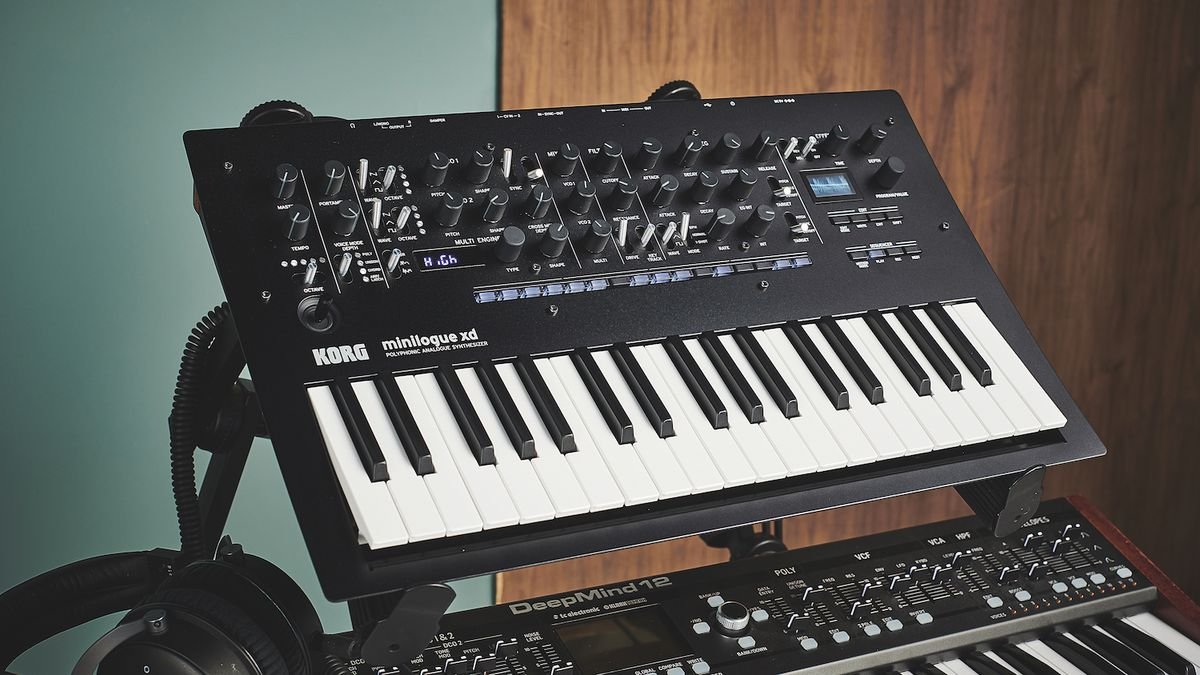
Finding the best mini synthesizer can unlock a world of sonic possibilities without sacrificing precious studio space (or breaking the bank). These pocket-sized powerhouses pack serious sound design capabilities into incredibly portable packages. But with so many options available, where do you even begin?
This guide dives deep into the world of mini synths, helping you navigate the features, understand the jargon, and ultimately choose the perfect instrument to fuel your creativity. Whether you’re a seasoned synth veteran or a complete beginner, we’ve got you covered.
At a glance:
- Analog vs. Digital: Consider the sound and workflow differences.
- Keyboard: Key feel impacts playability; weighted keys offer a piano-like experience.
- Polyphony: Decide if you need to play chords (polyphonic) or single notes (monophonic).
- Connectivity: Ensure it integrates with your existing setup (MIDI, USB, audio).
- Portability: Think about size and weight if you’ll be traveling with your synth.
What Makes a Synth "Mini" Anyway?
The term "mini synthesizer" encompasses a wide range of instruments. Generally, it refers to synthesizers that prioritize portability and affordability without severely compromising functionality. They're often smaller in size, have fewer keys (or even no keys at all), and may have a more streamlined interface. But don't let the "mini" fool you; many of these synths are capable of producing incredibly rich and complex sounds. Size isn't everything, small synthesizer and these compact instruments are proof.
Analog vs. Digital: Choosing Your Sonic Flavor
One of the first and most important decisions you'll face when choosing a mini synth is whether to go analog or digital. Each type offers a distinct sonic character and workflow.
- Analog Synths: These instruments create sound using analog circuits, resulting in a warmer, more organic sound that many musicians find incredibly satisfying. Subtractive synthesis, where you start with a rich sound and then sculpt it with filters, is a common and beginner-friendly approach. However, analog synths can sometimes be less precise and more prone to drift in tuning.
- Digital Synths: Digital synths use computer chips to generate sound. This allows for more complex and advanced features, such as LED displays, extensive preset libraries, and incredibly user-friendly interfaces. While some purists argue that digital synths lack the "soul" of analog, modern digital instruments can sound incredible and offer a level of versatility that analog synths simply can't match. Plus, they often nail the sounds of classic synths from the 80s and 90s.
Key Considerations for Choosing the Best Mini Synthesizer
Beyond analog vs. digital, here's a breakdown of the key factors to consider before you buy.
Keyboard: The Feel Under Your Fingers
The keyboard is your primary interface with the synth, so it's crucial to choose one that feels good to play.
- Non-weighted Keys: These are the most common type of key found on mini synths. They're lightweight and responsive, enhancing portability.
- Weighted Keys: Weighted keys simulate the feel of an acoustic piano, offering a more substantial playing experience. If you're accustomed to playing piano or electric piano, you may prefer weighted keys. Keep in mind that weighted keys will add to the overall weight and size of the synth.
Polyphony: How Many Notes Can You Play at Once?
Polyphony refers to the number of notes a synthesizer can play simultaneously.
- Polyphonic Synths: These synths can play multiple notes at the same time, allowing you to create chords, harmonies, and lush melodies.
- Monophonic Synths: Monophonic synths can only play one note at a time. While this may seem limiting, monophonic synths are excellent for basslines, leads, and solos. They often have a punchier, more focused sound.
So, which is right for you? If you want to play chords and create complex harmonies, a polyphonic synth is the way to go. If you're primarily interested in basslines and lead melodies, a monophonic synth will likely suffice.
Presets: Starting Points for Sonic Exploration
Presets are factory-created sounds that can be a great starting point for exploring the capabilities of a synthesizer. Some synths have hundreds or even thousands of presets, while others have very few or none at all.
Beyond presets, look for synths with a wide range of controls (knobs, pedals, faders) that allow you to manipulate the sound in real-time. The more control you have, the more expressive you can be.
Sequencer: Automating Your Music
A sequencer is a tool that allows you to record, edit, and playback musical patterns. Sequencers can be built into the synth itself (step sequencers) or can be software-based (DAW sequencers).
A step sequencer allows you to program a sequence of notes and then play it back repeatedly. This can be a great way to create rhythmic patterns, basslines, or even complete songs.
Oscillators: The Heart of the Sound
Oscillators are the building blocks of a synthesizer's sound. They generate the raw waveforms that are then shaped and manipulated by other components like filters and effects.
Voltage-controlled oscillators (VCOs) convert DC signals into AC signals, producing waveforms such as triangle, sine, saw, or square waves. Each waveform has a distinct sonic character, so a synth with multiple oscillators and waveform options will be more versatile.
Low-frequency oscillators (LFOs) are used to modulate other components of the synth, such as the pitch, filter cutoff, or amplitude. LFOs can create a wide range of effects, from subtle vibrato to wild, sweeping textures.
Effects: Adding Polish and Character
Effects modify and enhance the original signal generated by the oscillators. Common effects include reverb, delay, chorus, distortion, and phaser.
The more effects a synth has, the more versatile it will be. However, it's important to consider the quality of the effects as well. A synth with a few high-quality effects will often be more useful than one with a dozen mediocre ones.
Filters: Shaping the Tone
Filters are essential for shaping the tone of a synthesizer. They allow you to selectively cut or boost certain frequencies, creating a wide range of timbral possibilities.
Common filter types include:
- Low-pass filters: Cut high frequencies.
- High-pass filters: Cut low frequencies.
- Band-pass filters: Allow only a narrow band of frequencies to pass through.
Multi-mode filters offer selectable filter types, giving you even more control over the sound. The filter is where a lot of a synthesizer's character comes from.
MIDI Input/Output: Connecting to the World
MIDI (Musical Instrument Digital Interface) is a standard protocol that allows electronic musical instruments to communicate with each other. MIDI interfaces enable connections to MIDI instruments for editing and control.
With MIDI, you can control your synth from a MIDI keyboard, a computer, or another MIDI device. You can also use MIDI to record the notes you play on your synth and then edit them in a DAW (Digital Audio Workstation).
Connectivity: Plugging In
In addition to MIDI, it's important to consider the other connectivity options offered by a mini synth.
Prioritize MIDI in/out, audio in/out, and USB for connecting to other equipment. USB connectivity allows you to connect the synth directly to your computer for MIDI control, audio recording, and software updates.
Having dedicated audio outputs allows you to connect the synth to a mixer, amplifier, or audio interface. Audio inputs allow you to process external audio signals through the synth's filters and effects.
Dimensions and Weight: Is It Truly Portable?
One of the primary advantages of a mini synth is its portability. If you plan to take your synth on the go, it's important to consider its dimensions and weight. Is easy travel a must-have or is a smaller size enough?
Multi-Timbral: Layering Sounds Internally
A multi-timbral synthesizer can play different sounds on different MIDI channels simultaneously. This allows you to create complex arrangements using only one synth. If you plan to use your synth for composing and arranging, multi-timbrality can be a valuable feature.
Featured Mini Synth Models: Our Top Picks
Okay, let's get down to specifics. Here are some of the best mini synthesizers on the market today, across a range of price points and feature sets.
- Korg Minilogue: A 4-voice polyphonic analog synth with a warm, rich sound. It features two oscillators, two ADSR envelopes, digital enhancements, 200 presets, and a 16-step phrase sequencer. A fantastic entry point into analog synthesis.
- Moog Sub Phatty: A 25-key analog synthesizer focused on pure sound quality. Offers a square wave sub-oscillator, 31 knobs, and two shape oscillators. The classic Moog sound in a compact package.
- Elektron Digitone: An 8-voice digital synth that combines FM (Frequency Modulation) and subtractive synthesis. It boasts four tracks for MIDI sequencing, making it a powerful tool for creating complex grooves.
- Roland TB-03 Bass Line Boutique: A recreation of the legendary TB-303, focusing on classic acid sounds. Digital enhancements include an LED display, delay, and overdrive effects. Perfect for recreating those iconic squelchy basslines.
- Arturia MicroBrute: An analog synth emphasizing sound quality and advanced connectivity with a 100% pure analog voice path. A great option for those who want a raw, untamed sound.
These are just a few of the many excellent mini synths available. Other notable options include the Teenage Engineering Pocket Operators (ultra-portable digital instruments), the Waldorf Blofeld (a module synth capable of a wide range of sounds), and the Arturia MicroFreak (with its unique touch-sensitive keyboard). Pittsburgh Modular's Taiga combines East Coast and West Coast synthesis.
Beyond the Big Names: Exploring Other Options
Don't feel limited to just the brands mentioned above. Companies like Behringer, for instance, offer affordable emulations of classic synthesizers. Their CRAVE model, for example, aims to replicate the sounds of iconic synths, featuring a ladder filter based on Moog's famous 24dB design. Before settling on a synth, consider the overall design and aesthetic.
Common Questions About Mini Synthesizers
Let's tackle some frequently asked questions to clarify a few key concepts.
How do synthesizers work?
Synthesizers create (or mimic) sounds by generating sound waves using oscillators, creating multiple tones by modulating the sound waves, and changing the volume over time using envelopes. Different waveforms, filters, and effects all contribute to the unique sound of each synthesizer.
How much does a good mini synth cost?
While you can find some very basic mini synths for under $200, a good-quality instrument that offers a decent range of features and a pleasing sound will typically cost $300 or more.
Are mini synths just for beginners?
Absolutely not! While mini synths are often a great entry point into the world of synthesis, they're also used by experienced musicians and producers. Their portability and affordability make them ideal for creating music on the go, experimenting with new sounds, or adding a unique flavor to your existing setup. Many professional musicians utilize these instruments both on stage and in the studio despite their small size. Explore Portable Synthesizer Options for advanced users.
Making Your Decision: Finding the Right Fit
Choosing the best mini synthesizer ultimately comes down to your individual needs and preferences. Consider your budget, playing style, desired sound, and how you plan to use the synth. Do you want to create lush, atmospheric pads? Punchy basslines? Experimental soundscapes?
Think carefully about the features that are most important to you and then research models that fit your criteria. Watch demo videos, read reviews, and, if possible, try out the synths in person before you buy. Don't be afraid to ask questions and seek advice from other musicians.
Level Up Your Sound: Next Steps
Once you've chosen your mini synth, the real fun begins! Take the time to learn its features and experiment with different sounds. Don't be afraid to break the rules and try new things.
Consider investing in a good pair of headphones or studio monitors to accurately hear the nuances of your synth's sound. You might also want to explore software synthesizers and effects plugins to expand your sonic palette.
The world of synthesis is vast and endlessly fascinating. With the right mini synth, you can unlock your creativity and create music that is truly unique. Whether it's a module, a keyboard or a desktop synth: exploring the options will guarantee you find that perfect sound you've been looking for.